
Quick Reference
c. 1924
Herbert Keach's barnyard
Oil on Canvas
Landscape
Barns, Farms, People & Livestock
25" x 30"
Home of Ronald T. Lyman, 1926
Mrs. Wm. H. Moore
for her niece Mrs. Lennert Palme
NA
Related Links
- See also the...
 Barns Gallery to view related pieces.
- See also the Farms Gallery to view related pieces.
- See also the...
 People & Livestock Gallery for related pieces.
- Read the Scrapbook story for more about RSW and the Keach's.
- See our page devoted to ...
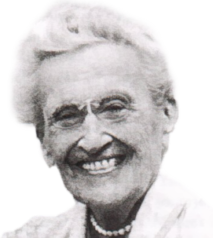 RSW sponser, patron-saint Ada Small Moore
- Read the Scrapbook story about the Lyman Exhibition, 1926 for more.
.png)

Featured Artwork: Farmyard Sun

RSW's Diary Comments
"Painted prior to 1926. Exhibited at Mrs. Lyman's exhibition. Bought by Mrs. Wm. H. Moore and given to her niece, Mrs. Lennert Palme of Carmel, California, who owns a beautiful home of Swedish architecture with my painting the only canvas in the house. The subject is of Herbert Keach's barn yard (the place now burnt.)"
Additional Notes

 Boston Globe, Dec. 23, 1926
Click on the image to see the whole article
To the Right: Boston Globe, 1926 by A. J. Philpott

"....Showing the old shed with the buggies and carriages of the era before the auto."
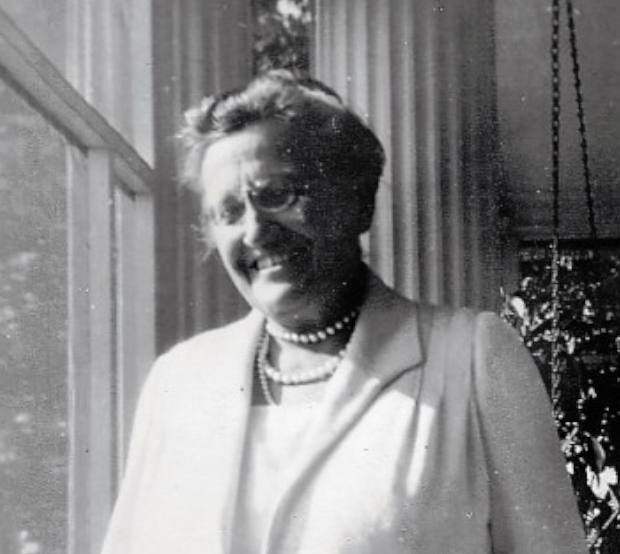
Mrs. Ada Small Moore, also known as
Mrs. Wm. H. Moore
The "Lyman" exhibition held in December of 1926, on the second floor ballroom of the famed Longfellow House on Beacon Street, Boston, is perhaps the most significant exhibition of Woodward's career. It is held nearly 4 years [3 years, 11 months, and 9 days] after his tragic Redgate fire that destroyed 50 paintings earmarked for the Macbeth Galleries, in New York City for his first featured one-man show.

The Longfellow House, 38 Beacon Street, Boston
It was once the home of fireside poet, Henry Wads-
worth Longfellow (1807-1882). In 1926, it is the home
of finance pioneer Ronald Lyman who is credit with
originating what is today known as the mutual fund.
The Lyman show not only will be Woodward's first one-man show, but it will neither be held in New York nor
a famous gallery. Instead, what Woodward gets is the support of his most die-hard believers and advocates,
Mrs. Minnie Eliot and her friend Mrs. Ada Moore. You see, Minnie has supported Woodward since his arrival in
Massachusetts (1910). It is Minnie that is neighbors of the Lymans on Beacon Street. She is also, a neighbor
of Mrs. Moore in Pride's Crossing (MA) and the two are members of a several of the same clubs. It is Minnie
that orchestrates this whole thing in an effort to revitalize Woodward's career.
It is also Minnie's
support and advocacy that brings Mrs. Ada Moore, widow of lawyer, industrialist, and financier William "Judge"
Henry Moore, one of the wealthiest men in the country, to take on and sponsor Woodward by establishing a trust
that will cover the cost of his medical care, including the wages of his nurse sometime around 1924-'25. This
unburdens the artist of the cost, leveling the playing field, and removing any disadvantage Woodward may have
to able bodied artists financially. He is still limited physically.
Also attending the exhibition,
was renown art collector, John Spaulding. Spaulding would not only buy the first painting of the exhibit, The Window: A Still Life and Winter Scene, but the painting would end up as
part of the John Spaulding Collection given to the Museum of Fine Art in Boston.